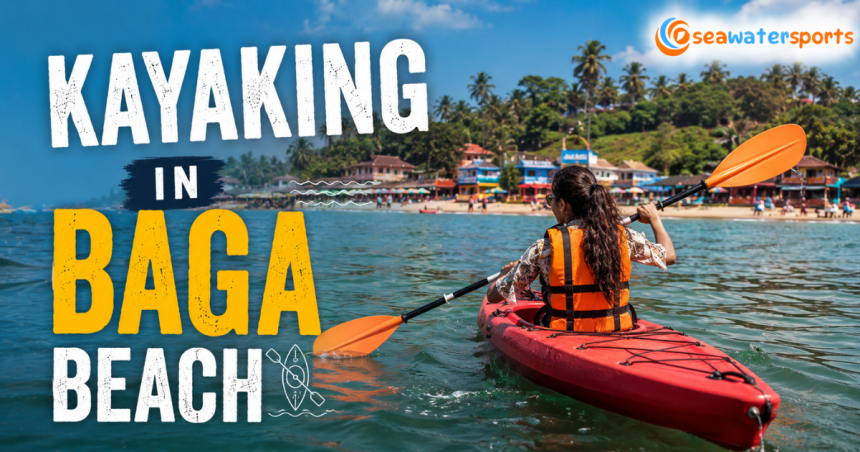

A Local's Map to Kayaking in Baga Creek Safely
Your practical safety guide to tides, mangroves, emergency gear, and smart water navigation in Goa The first time I paddled into Baga Creek at the wrong hour, I didn't realise my mistake until the current started pushing back harder than my arms could manage. The water had turned murky, the mangroves on either bank closed in tighter than I remembered, and what felt like a calm inlet ten minutes ago had become something entirely different. That experience didn't put me off Kayaking in Goa; it made me a much smarter paddler.
If you're planning to explore kayaking in Baga or anywhere along Goa's stunning coastline, this guide is the one I wish someone had handed me before that first session. It's not a generic safety checklist. It's written from real time spent on the water, watching tides turn, navigating mangrove channels, and understanding why some mornings are perfect for paddling, and others demand you stay onshore.
Sea Water Sports has been guiding kayakers through Goa's waterways for years, and the advice here reflects the kind of ground-level knowledge that comes from actually knowing these creeks, tides, and routes.
Why Tides Matter More Than Most Kayakers Think?
Goa's creeks and coastal inlets are tidal environments. That means the water level, current direction, and even the shape of the channel change dramatically depending on where the tide is in its cycle. A route that is wide and manageable at low tide can become a fast-moving, narrow channel at high tide and vice versa.
Before you ever put a kayak in the water for kayaking in Baga Creek, understand this:
- Goa experiences two high tides and two low tides in roughly every 24 hours
- The tidal range, the difference between high and low, can be significant enough to expose sandbars or completely submerge shallow crossing points
- Tidal timing shifts by approximately 50 minutes each day, so what worked last weekend won't work this weekend without checking
A simple tide table reference:
Low Tide
- Shallow water levels with exposed riverbanks and mudflats
- Slower current and calmer conditions
- Ideal for beginners and first-time kayakers
- Extra caution is needed around exposed mudflats
Rising Tide
- Water levels increase as channels begin to fill
- Currents gradually become stronger
- Suitable for paddlers with basic kayaking experience
- Requires awareness of changing water conditions
High Tide
- Channels are fully submerged and navigable
- Stronger water flow and deeper sections
- Best suited for experienced paddlers
- Extra caution is required in open-water areas
Falling Tide
- Water begins flowing back toward the sea
- Currents can become deceptively strong
- Risk of being carried farther than intended
- Avoid venturing too far from the starting point
- Generally less suitable for casual or beginner kayaking sessions
Always check the India Meteorological Department tide predictions or a local tide app before heading out. Sea Water Sports recommends planning your session around the two hours before and after low tide for the safest, most enjoyable experience on Backwater Kayaking in Goa routes.
Low Tide Kayaking: The Sweet Spot With Hidden Traps
Low tide is when Baga Creek and Goa's backwaters reveal their most interesting geography, exposed sandbars, shallow mangrove channels, and birds feeding along the banks. For Backwater Kayaking in Goa, this is genuinely the most rewarding window.
But low tide has its own risks that catch beginners off guard:
- Soft mudflats along creek banks look firm, but will sink you to your knees if you step out
- Exposed rocks and submerged debris become obstacles that aren't visible at other times
- Shallow sections can ground your kayak and make steering frustrating
- You may find yourself needing to drag your kayak through ankle-deep water at certain points
The experienced guides at Sea Water Sports will always brief you on which sections run shallow at low tide and how to navigate them without getting stuck or tipping.
High Tide and Monsoon Season: Know When to Stay Onshore
High tide transforms the same creek you paddled easily at low tide. Channels fill up, current picks up speed, and the margin for error shrinks considerably. For Mandovi River kayaking and open estuary routes, high tide can also mean choppier water where boat traffic is heavier.
During the monsoon season (June to September), conditions escalate further:
- Strong southwest winds create surface chop even on inland waterways
- Creek banks overflow, making it harder to identify safe landing spots
- Visibility can drop quickly in heavy rain
- Current speeds increase significantly after rain events
High tide and monsoon safety rules to follow:
- Do not kayak alone during the monsoon season under any circumstances
- Avoid creek mouths and open coastal water during tidal peaks in heavy weather
- If caught in deteriorating conditions, paddle to the nearest bank and wait. Do not try to outrun a rising current
- Always inform someone onshore of your route and expected return time
Sea Water Sports suspends open-water and creek sessions during official weather warnings issued by the Goa disaster management authority. If a red or orange alert is active, no session proceeds – no exceptions.
Mangrove Navigation in Goa's Creeks: Read Before You Paddle
The mangrove channels threading through Kayaking in Baga Creek routes are genuinely one of Goa's most beautiful natural experiences. Paddling quietly through a tunnel of mangrove roots with kingfishers darting overhead is something you won't forget. But mangroves also disorient people faster than almost any other natural environment.
What makes mangrove navigation tricky:
- Every channel looks similar without a guide or GPS; you will lose your sense of direction
- Channels that are open at low tide close off at high tide; some routes simply disappear
- Tidal creeks branch frequently; taking a wrong turn can add significant distance or leave you stranded on a mudflat
- Mobile signal is often weak or absent once you're inside dense mangrove cover
Smart mangrove navigation habits:
- Always paddle with a certified local guide for your first several mangrove sessions
- Download offline maps of your route before entering areas with poor signal
- Mark your entry and exit points on the GPS before paddling in
- Stay in groups of at least two kayaks — never solo in mangrove channels
- Keep your paddle strokes low and controlled near root systems to avoid tipping
Sea Water Sports guides know every branch point and tidal window across the popular Backwater Kayaking in Goa mangrove routes and will lead you through safely while explaining what you're seeing along the way.
Water Sports in Goa Safety: Essential Emergency Gear
Whether you're doing Water Sports in Goa for the first time or the fiftieth, the gear list stays the same. No shortcuts.
Every kayaker should carry or wear:
- A properly fitted personal flotation device (PFD/life jacket) should be worn at all times, not just kept in the kayak
- Waterproof dry bag for phone, ID, and any medication
- A whistle clipped to your PFD is audible over wind and water
- Drinking water in a secured bottle: Goa's humidity causes dehydration fast
- Sunscreen and a hat reflect glare off the water, which is intense even on overcast days
- Waterproof torch or headlamp if your session extends toward dusk
Emergency contacts to save before any session:
- Goa Maritime Rescue Coordination Centre: 0832-2520032
- National Emergency Number: 112
- Your guide's or Sea Water Sports contact number
Before You Book: A Quick Pre-Session Checklist
- Check today's tide chart to confirm your session falls within a safe tidal window
- Check IMD or local weather for wind speed and rainfall forecasts
- Confirm your guide is certified and your operator is registered
- Ensure your life jacket fits and is fastened before entering the water
- Share your route and return time with someone not on the water
Paddle Smart, Paddle Safe
Kayaking in Baga Creek and exploring backwater kayaking in Goa routes through mangroves and estuaries are some of the finest experiences this coast offers. The water, the birdlife, the quiet of a mangrove channel at dawn — it stays with you long after you've dried off and gone home.
But the sea and tidal creeks operate on their own schedule, and respecting that schedule is what separates a great paddle from a dangerous one. Go with people who know the water. Check the tides before you go. Wear your life jacket. And for any water sports experience in Goa worth doing right, trust operators like Sea Water Sports who treat safety as the starting point — not an afterthought.




Challenges and Opportunities for Biodiesel Plant Manufacturers in Indi...