How to Choose the Right Pressure Reducing Valve
Pressure-reducing valves (PRVs), also known as pressure regulators, are unsung heroes in plumbing systems. These workhorses silently protect your pipes, fixtures, and appliances from the hazards of excessive water pressure. But with an array of PRVs available, selecting the right one can be daunting. Worry not, for this guide will equip you with the knowledge to choose the perfect PRV for your needs.
Understanding the Need for Pressure Reduction
Municipal water supplies often operate at high pressures to ensure adequate flow throughout the distribution network. However, excessively high pressure in your home's plumbing system can lead to several problems:
- Leaking pipes and joints: Over time, relentless high pressure can strain pipe connections, leading to leaks and potential water damage.
- Premature appliance wear: Delicate components in dishwashers, washing machines, and other appliances can suffer under high pressure, shortening their lifespan.
- Faucet malfunctions: High pressure can cause faucets to drip, spray unevenly, or even burst.
- Water hammer: When a valve shuts off abruptly, the sudden stoppage of high-pressure water can create a water hammer effect, producing a loud banging noise and potentially damaging pipes.
Installing a PRV safeguards your plumbing system by reducing the incoming pressure to a safe, manageable level for your household appliances.
Key Considerations When Choosing a Pressure Reducing Valve
Here are the crucial factors to consider when selecting a PRV:
- System Pressure: Measure inlet pressure: Before diving into PRV selection, you need to understand the water pressure entering your home. Invest in a pressure gauge to measure the incoming pressure at an outside hose bib. Typically, a reading between 40-80 psi (pounds per square inch) is considered ideal.
- Maximum operating pressure: Select a PRV with a maximum operating pressure exceeding your incoming pressure to ensure safe operation.
- Flow Rate Requirements: Peak and minimum flow rates: Not all PRVs are created equal in terms of flow capacity. Consider both your peak flow rate (during peak water usage) and minimum flow rate (when few fixtures are running). Ideally, the PRV should be able to handle your peak flow without compromising on pressure reduction.
- Sizing the PRV: Consult the manufacturer's sizing charts or a qualified plumber to determine the appropriate PRV size based on your flow rate requirements. Oversizing can lead to noise and reduced efficiency, while undersizing will restrict flow and prevent proper pressure reduction.
- Outlet Pressure Setting: Desired outlet pressure: PRVs are adjustable, allowing you to set the desired outgoing pressure for your household fixtures. Typically, a range of 40-50 psi is suitable for most residential applications. Refer to your appliance manuals for specific pressure recommendations.
Material and Construction:
- Durability and corrosion resistance: PRVs are typically constructed from brass, bronze, or stainless steel for strength and corrosion resistance. Choose a material that suits your water quality and application.
- Diaphragm or piston type: There are two main PRV designs: diaphragm and piston type. Diaphragm valves are generally quieter and better suited for residential applications, while piston valves can handle higher pressures and are often used in industrial settings.
Additional Features:
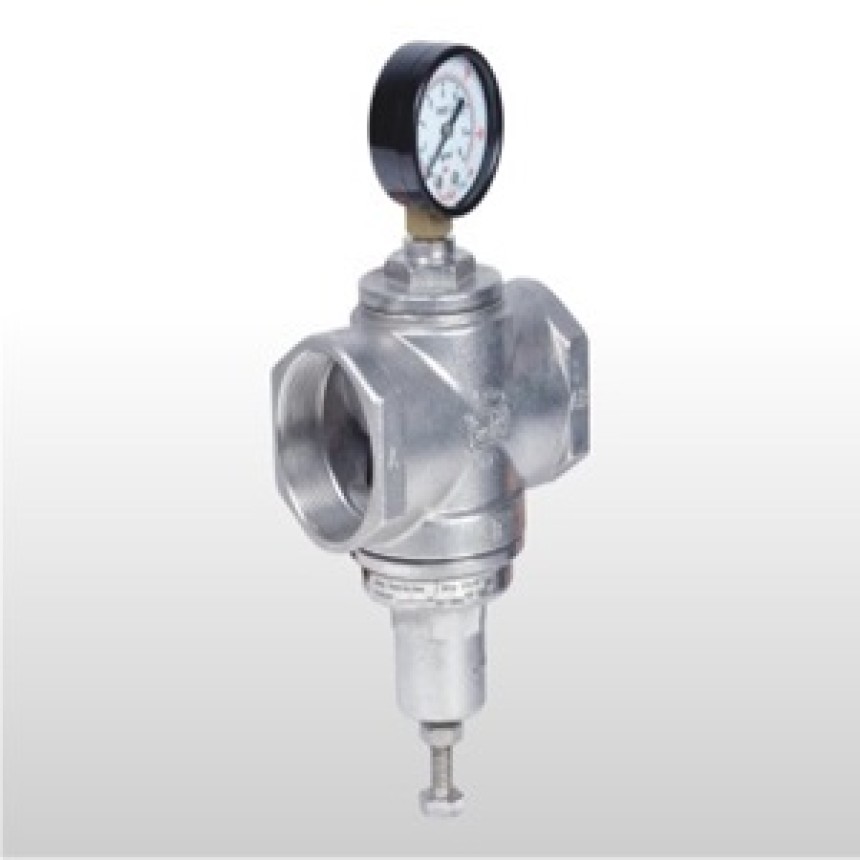
- Pressure gauge: A built-in pressure gauge allows you to monitor the inlet and outlet pressure for easier adjustment and troubleshooting.
- Bypass valve: Some PRVs incorporate a bypass valve that allows a small amount of water to flow even when the main valve is closed. This can be beneficial during maintenance or low-flow situations.
Beyond the Basics: Installation and Maintenance
Selecting the right PRV is just the first step. Here are some additional pointers:
- Installation: For optimal performance and safety, entrust PRV installation to a qualified plumber who can ensure proper sizing, positioning, and connection within your plumbing system.
- Maintenance: Consult the manufacturer's instructions for any specific maintenance requirements. Generally, PRVs require minimal maintenance, but periodic inspection and cleaning may be recommended.
Conclusion
By understanding your plumbing system's needs and carefully considering the factors outlined above, you can choose the ideal pressure reducing valves. A correctly selected and installed PRV will safeguard your plumbing system, extend the life of your appliances, and ensure a smooth flow of water throughout your home. For complex installations or if you're unsure about any aspect of PRV selection, don't hesitate to consult a licensed plumber for expert guidance.
This Article is written to accelerate businesses. JOIN The Community Now! Fuel your business success with Grow Media Digital! 🚀 Tailoring expert strategies, from SEO to social media, ensure a perfect fit for your needs. With an innovative approach, they stay ahead of trends, guaranteeing measurable growth. Visit growmedia.digital to bring your business to new heights.


Ways to keep hazardous medical waste at Bay
we will explore various ways to keep hazardous medical waste at bay, focusing on practical...