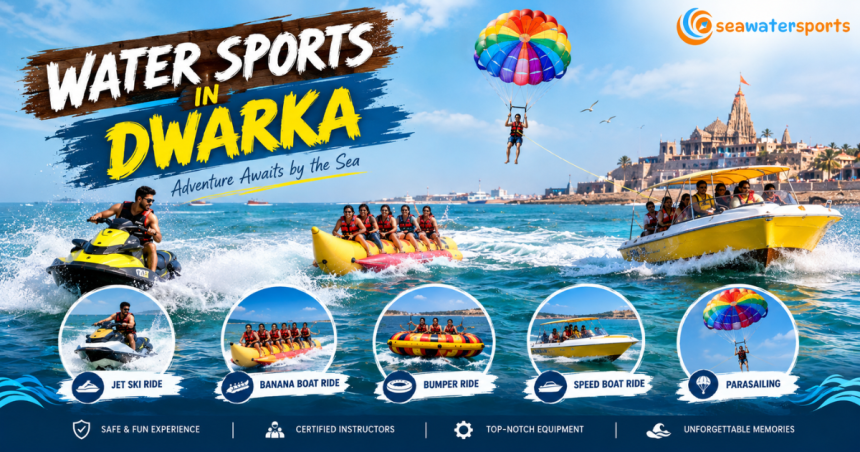

How to Enjoy Safe and Stress-Free Water Sports In Dwarka
Goa and the Andaman Islands usually dominate the conversation when travelers talk about coastal adventures in India. However, the Gujarat coastline has quietly transformed into a premier marine destination. If you are planning to experience Water Sports In Dwarka, you are in for a visually stunning treat. The waters here are remarkably clear, revealing thriving marine life and even the legendary archaeological remnants of Lord Krishna’s submerged city. But there is a major catch that most tourists miss until they arrive at the entrance gates: this region is heavily regulated. Thanks to intense environmental conservation efforts, the local authorities do not tolerate careless tourism. Shivrajpur Beach, the hub of aquatic activities in the area, holds the prestigious international Blue Flag certification. This label means the pristine white sands and turquoise waters are protected by stringent environmental guidelines. Before you pack your swimsuit and head to the Gulf of Kutch, understanding these strict regulations is essential. Ignorance is not an excuse here, and violating these rules can result in heavy fines, confiscated items, or immediate eviction from the beach. Here is exactly what you need to know to stay on the right side of the law while enjoying your aquatic adventure.
Understanding Dwarka Coastal Tourism Regulations
The Blue Flag certification is not just a marketing gimmick; it is an international eco-label awarded by the Foundation for Environmental Education (FEE). To maintain this status, the beach must strictly comply with 33 rigorous criteria across water quality, environmental management, and safety. Because of this, the Dwarka coastal tourism regulations are enforced with a zero-tolerance policy.
Unlike standard public beaches where tourists can freely drive cars onto the sand or pitch impromptu tents, the designated eco-zones in Dwarka strictly prohibit such activities. The ecosystem here which includes fragile coral reefs, dolphin habitats, and seasonal marine nesting grounds relies heavily on these protections. Local authorities actively patrol the shores, and failing to comply with the rules not only harms the environment but can ruin your entire travel budget through unexpected penalties.
The "No-Plastic" Zone: Avoiding the Most Common Fine
The fastest way to incur a fine or be denied entry is by violating the Blue Flag beach environmental guidelines regarding plastic. Shivrajpur is a strict zero-plastic zone.
- Single-Use Plastics are Banned: You cannot bring plastic water bottles, disposable snack wrappers, plastic bags, or straws past the entry gates. Security personnel routinely check bags.
- Confiscation and Penalties: If you are caught smuggling plastic onto the sand and discarding it, you face immediate on-the-spot fines.
- The Alternative: The beach provides purified drinking water stations you are expected to bring your own reusable steel or copper water bottles. If you purchase snacks from the stalls outside the main gate, you must consume them before entering or ensure the packaging is disposed of in the designated segregation bins.
Shivrajpur Beach Water Sports Rules You Must Know
The water sports infrastructure here is highly organized, operating distinctly from the chaotic, unregulated touts found on other Indian beaches. To participate in jet skiing, bumper rides, or parasailing, you must adhere strictly to the Shivrajpur beach water sports rules.
Here are the critical pointers and rules to keep in mind:
- Designated Zones Only: The ocean is cordoned off with floating buoys. Swimming or taking watercraft outside these flagged boundaries is a direct violation of safety protocols and will result in lifeguards pulling you out of the water.
- Mandatory Safety Gear: You will not be allowed on a banana boat or jet ski without a properly buckled, high-density life jacket. Refusing to wear one or removing it while on the water is grounds for immediate termination of your ride without a refund.
- Operating Hours: The beach is open from 8:00 AM to 7:00 PM, but water sports operate strictly when sea conditions allow, typically between 9:00 AM and 5:00 PM. Authorities strictly forbid any unauthorized sunset or night swimming.
- No Alcohol Policy: Consuming alcohol is strictly prohibited in the state of Gujarat, and arriving at the Blue Flag beach intoxicated will lead to immediate police action, let alone being banned from participating in any water sports.
Protecting the Reefs: Beyt Dwarka Submerged City Scuba
While Shivrajpur offers high-speed surface sports, the nearby island of Beyt Dwarka is the epicenter for underwater exploration. Divers from across the country flock here for the Beyt Dwarka submerged city scuba experience, hoping to catch a glimpse of the ancient archaeological structures and the vibrant coral reefs of the Gulf of Kutch.
Because this area borders sensitive marine sanctuaries, the scuba diving regulations are exceptionally strict:
- No Touching the Artifacts: The submerged ruins are protected archaeological sites. Attempting to chip away a piece of stone as a souvenir is a severe offense that can lead to heavy legal prosecution.
- Coral Etiquette: The coral reefs are delicate living organisms. Standing on them, kicking them with your fins, or trying to harvest marine life (like shells or starfish) will result in massive environmental fines.
- Approved Operators Only: You must dive with certified, authorized scuba instructors. Unlicensed diving is illegal and unsafe, and operators must adhere strictly to visibility and safety guidelines.
Practical Planning: How to Prepare for a Compliant Trip
To ensure your coastal holiday is entirely stress-free, a little preparation goes a long way. The ideal season to visit is between October and April when the sea is calm, the water visibility is high, and the lifeguards permit all aquatic activities. During the monsoon (June to September), the sea becomes dangerously rough, and the government suspends all water sports.
Checklist for a Hassle-Free Beach Day:
- Carry Cash for Entry and Parking: The beach requires a nominal entry fee (around ₹30 per adult) and a parking fee (₹50 for four-wheelers). Keep exact change handy.
- Pack Eco-Friendly Essentials: Ditch the plastic bags. Bring a canvas tote bag for your towels and swimwear.
- Use Reef-Safe Sunscreen: Standard sunscreens contain chemicals that bleach coral reefs. Since you will be swimming near sensitive marine ecosystems, applying reef-safe, mineral-based sunscreen is a mandatory ethical practice.
- Leave the Drones at Home: Unless you have explicit prior written permission from local authorities, flying drones over the beach and the nearby temples is prohibited due to security and privacy regulations. Unauthorized drones can be confiscated.
Quick Reference Guide: Potential Infractions
Visitors to the beach are expected to follow the local safety and environmental rules. Bringing single-use plastic onto the beach may result in confiscation at the entrance, while littering inside the beach area can lead to fines. Swimming outside the designated flagged buoys is strictly discouraged and may result in immediate removal by lifeguards, as well as suspension from water sports activities. Visitors must also avoid touching or damaging coral or archaeological ruins, as such actions can attract heavy environmental fines and potentially lead to legal prosecution. Unauthorized drone flying may result in equipment confiscation and security fines. Additionally, littering or failing to properly segregate waste can lead to on-the-spot financial penalties from beach wardens.
The transformation of the Dwarka coastline into an internationally certified, eco-friendly tourism hub is a massive achievement. The strict Blue Flag regulations and marine conservation rules are not there to ruin your fun; they exist to ensure that the pristine waters, the vibrant coral reefs, and the ancient submerged ruins remain intact for generations to come. By respecting the local guidelines, ditching the single-use plastics, and following the safety zones, you guarantee yourself an incredible, guilt-free adventure on the Arabian Sea.
When you are ready to explore the Gulf of Kutch safely and legally, booking your activities through verified experts removes all the guesswork. For certified scuba dives, compliant water sports packages, and transparent pricing, you can plan your entire itinerary through Sea Water Sports. Their deep understanding of local environmental laws and commitment to safety ensures that your Water Sports In Dwarka experience is perfectly organized, deeply thrilling, and completely fine-free.


Contract Lifecycle Management (CLM): Streamlining Business Efficiency
ContractPrime digital platform streamlines and optimizes your legal department, providing...